
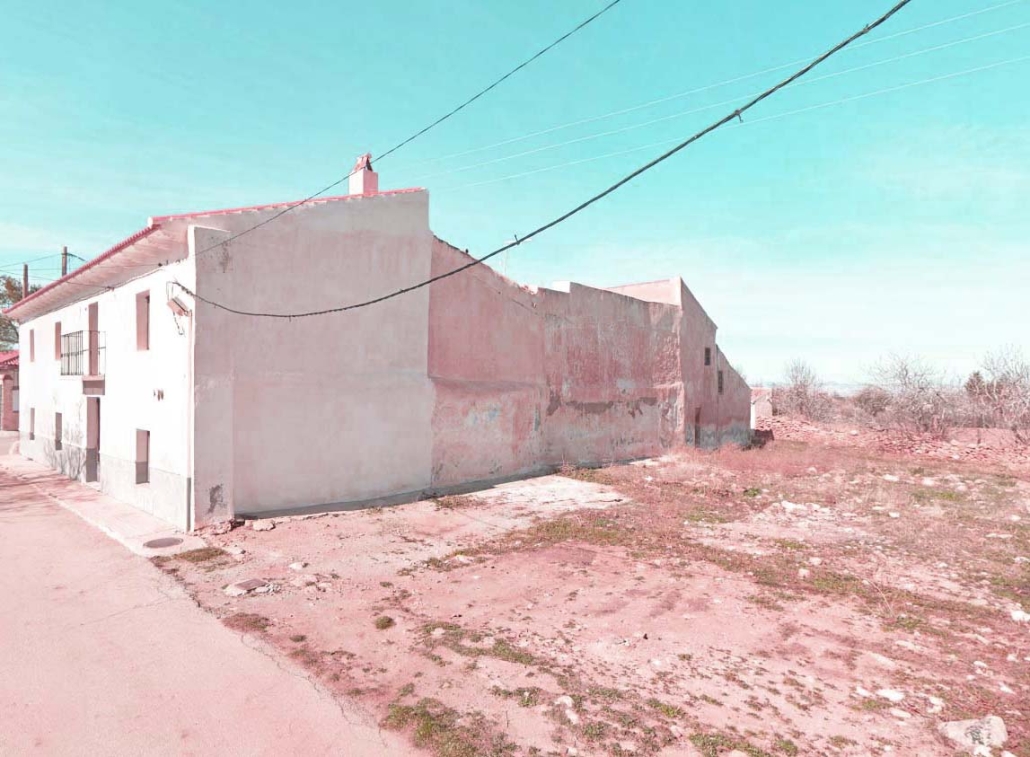
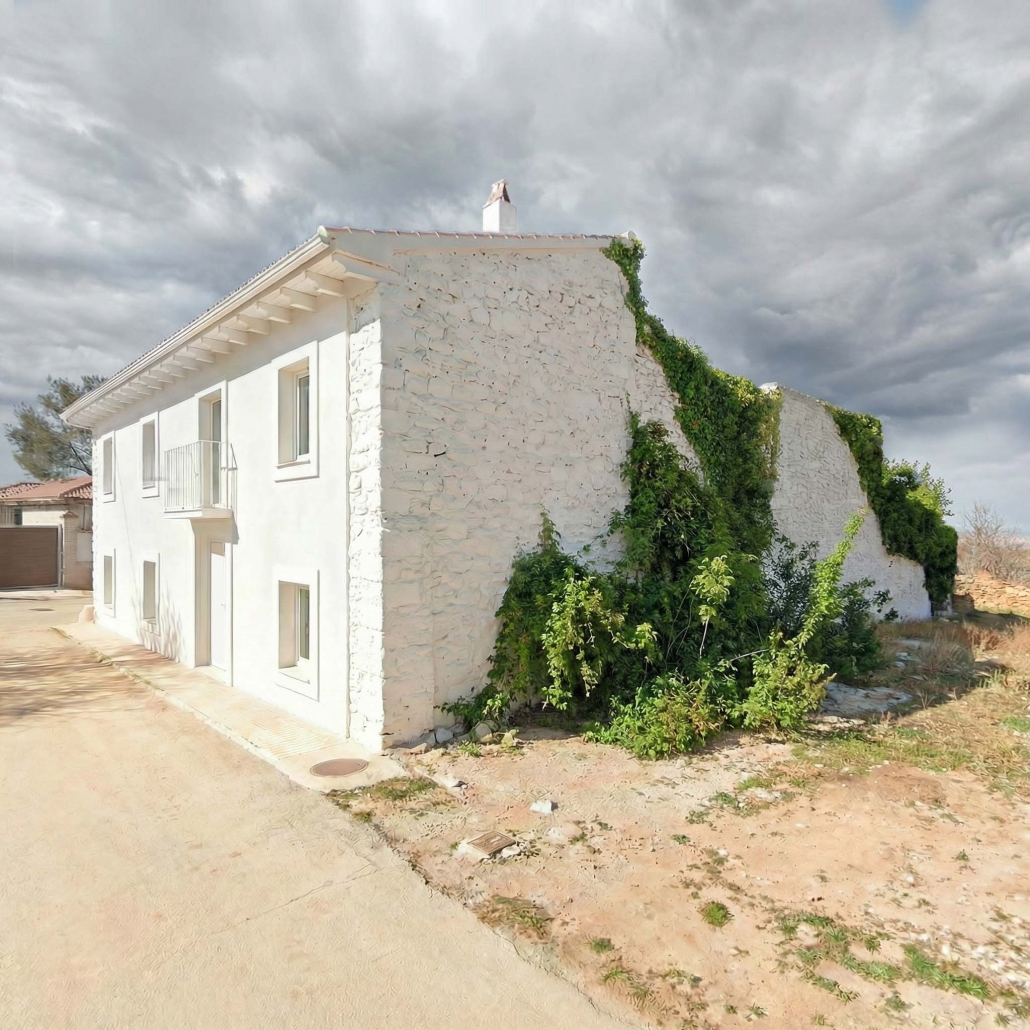
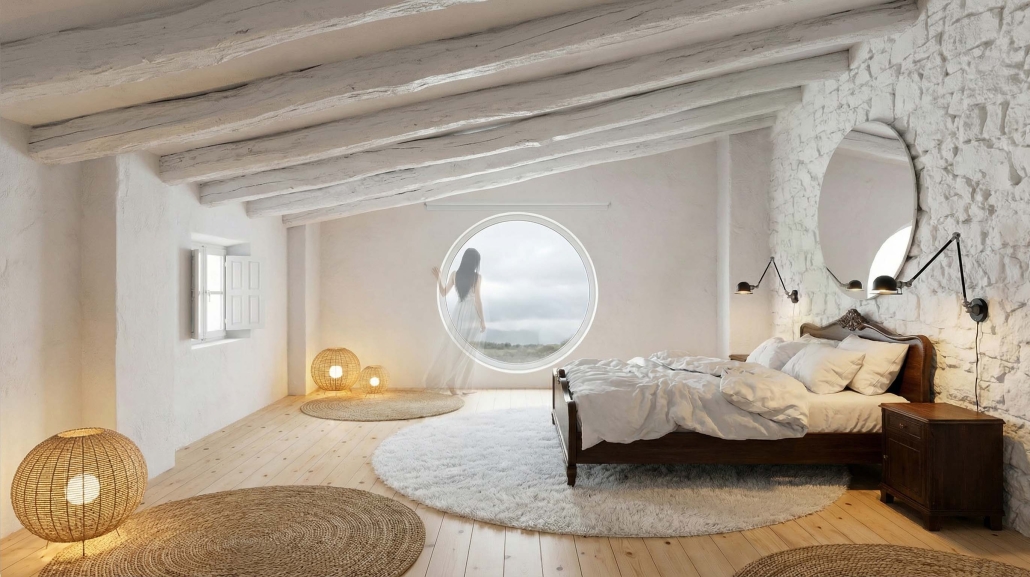
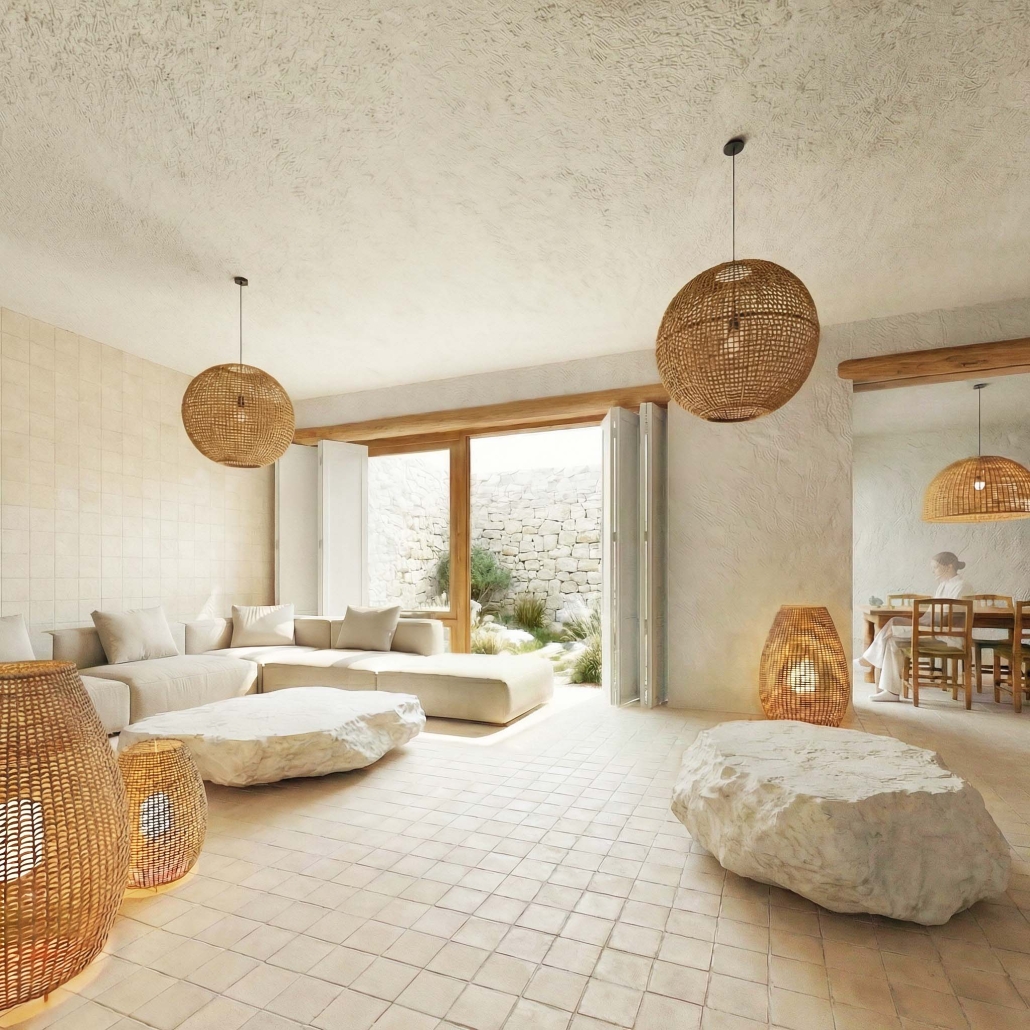
A family home designed to store, organize and reactivate a domestic inheritance.
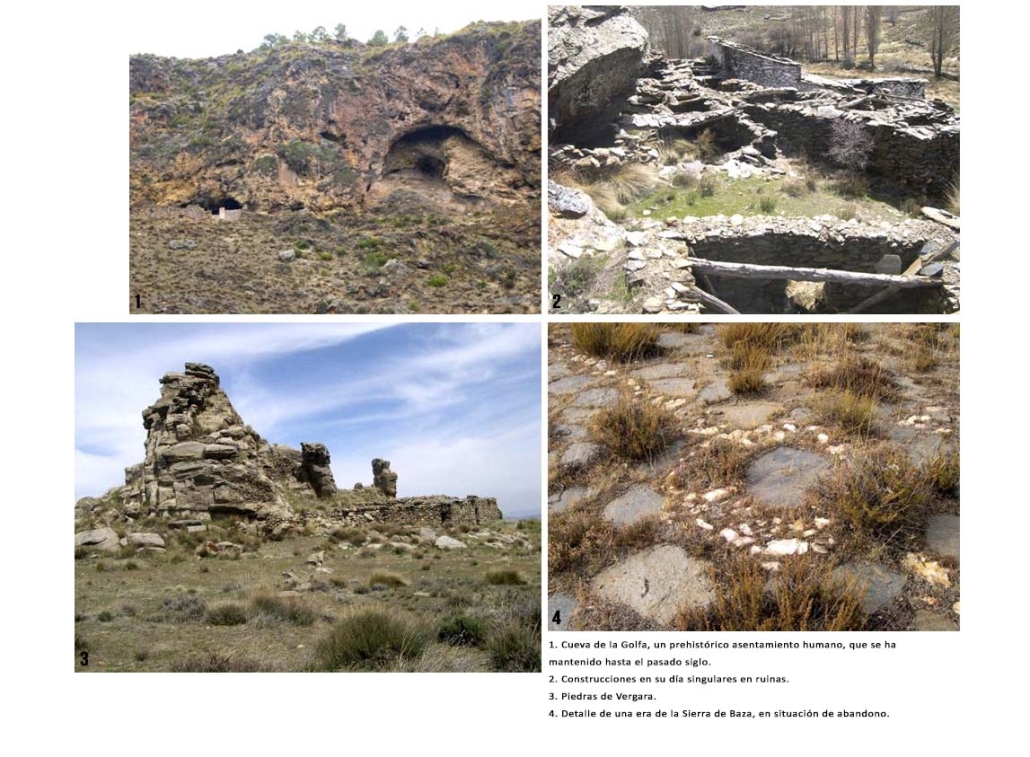
CASA BAÚL is proposed as a family home that understands architecture as an act of active conservation. Located in the cultural territory of Baza (Granada), the project takes traditional countryside constructions as a reference, not from nostalgia, but from their capacity to store time, use and memory. As in the Cueva de la Golfa, a prehistoric settlement inhabited until the last century, the house is conceived as refuge, thickness and continuity: an architecture where living means staying.
The new design mixes tradition and contemporary language based on a clear and precise logic, inherited from the Corral y Patio project and the functional austerity of the Cubero and Molina Farmhouses. The house is organized through intermediate spaces, patios, shadows and load-bearing walls that are reminiscent of those once unique constructions today in ruins, where an essential constructive intelligence is still perceived, unrelated to the superfluous. CASA BAÚL takes this logic and reinterprets it with a clean and current geometry.
The reused family heritage – built-in and free-standing wardrobes, headboards, trunks, fireplaces, sewing machines, windows and antique sideboards – is not incorporated as a decorative element, but as project material. These pieces define rooms, articulate routes and build the domestic character of the complex, in the same way that the Vergara Stones show how the passage of time adds value, not subtracts it.
The house thus functions as a large inhabited trunk: a contemporary container that protects, orders and gives new meaning to a family legacy, demonstrating that tradition and modernity are not opposites, but complementary when built from territory and memory.

