
Europan 12
Infrastructures at the Waterline
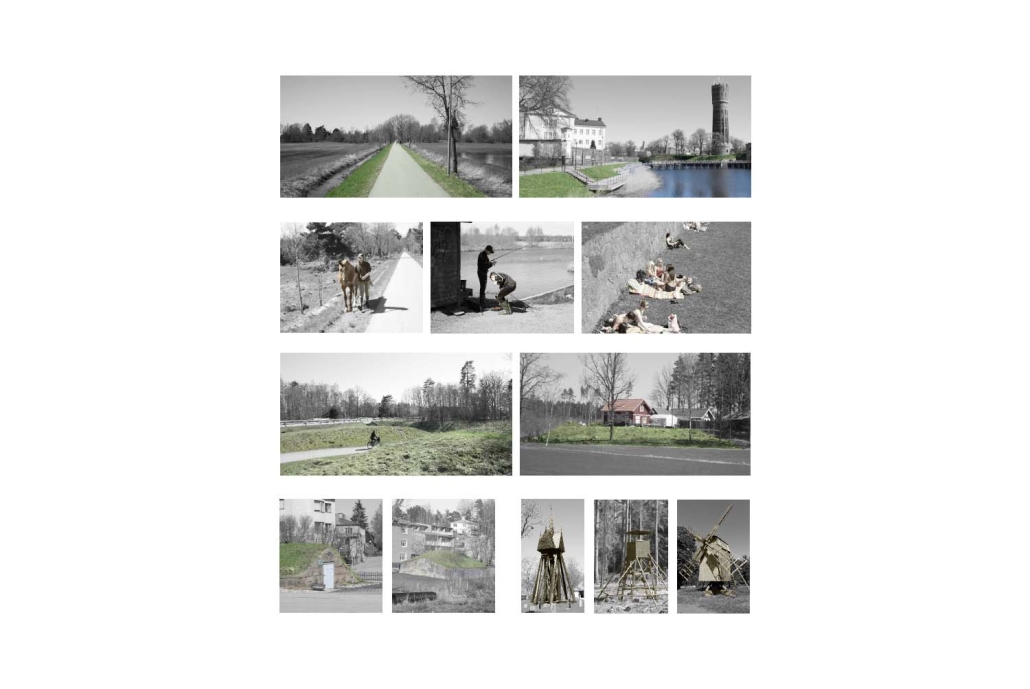
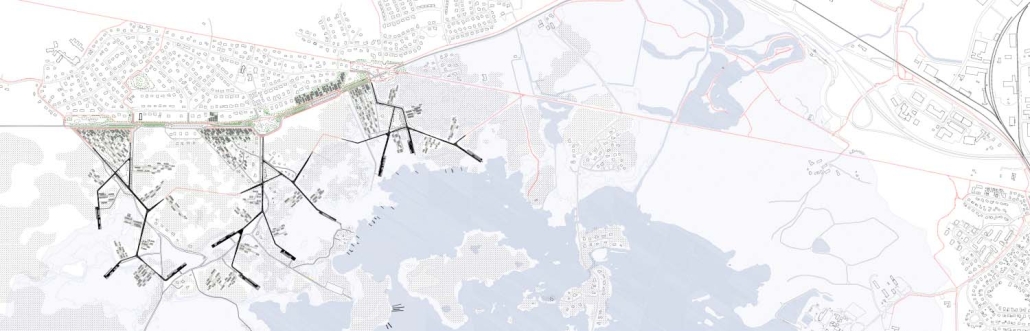
The project addresses one of the great landscape challenges of the 21st century: the shifting coastal boundary in response to rising sea levels caused by polar ice melt. Kalmar’s coastline, with its remarkably flat topography and a rural landscape in constant dialogue between land and sea, is envisioned as a future holiday destination. This situation presents an opportunity for the city to face this challenge by learning from the mistakes of speculative developments in southern Europe.
Drawing from the experience of an architect based in Granada committed to innovative and context-sensitive solutions, the proposal offers a responsible and creative response to this environmental and territorial issue.
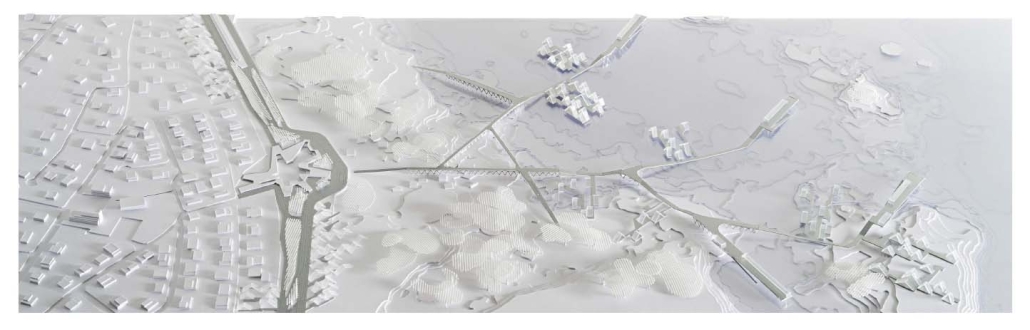
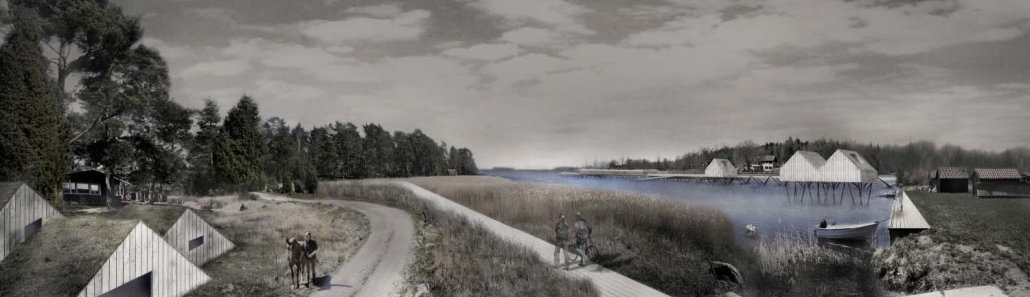
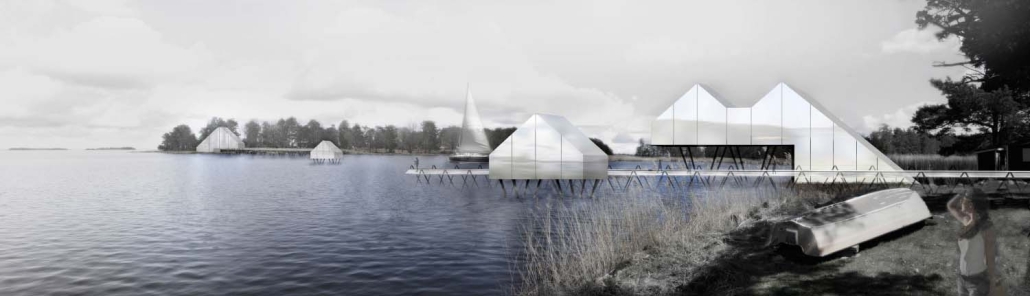
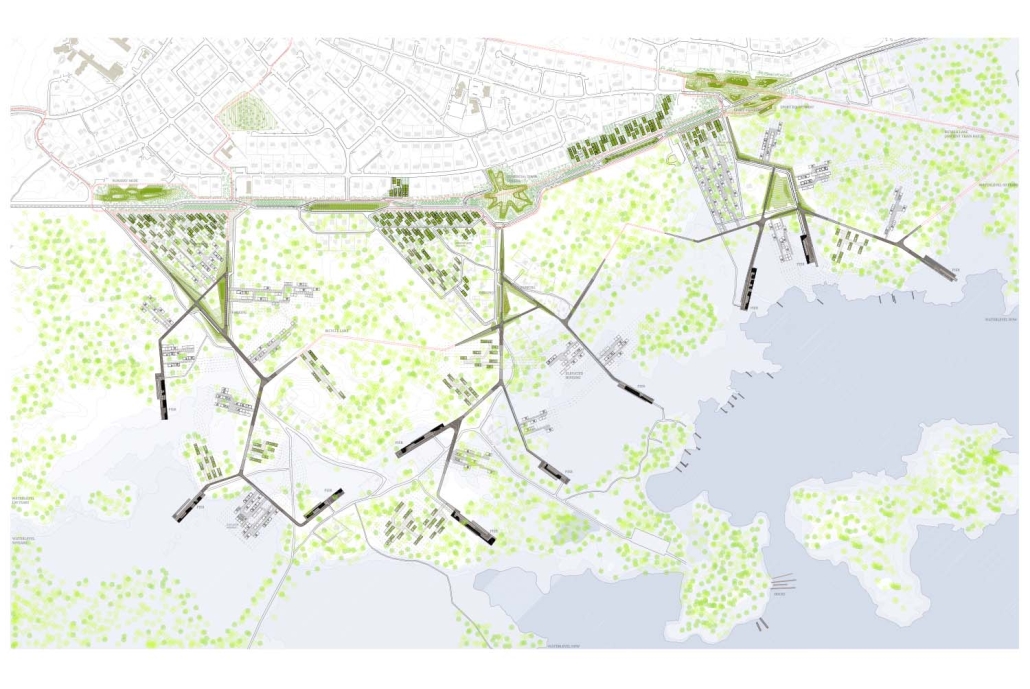
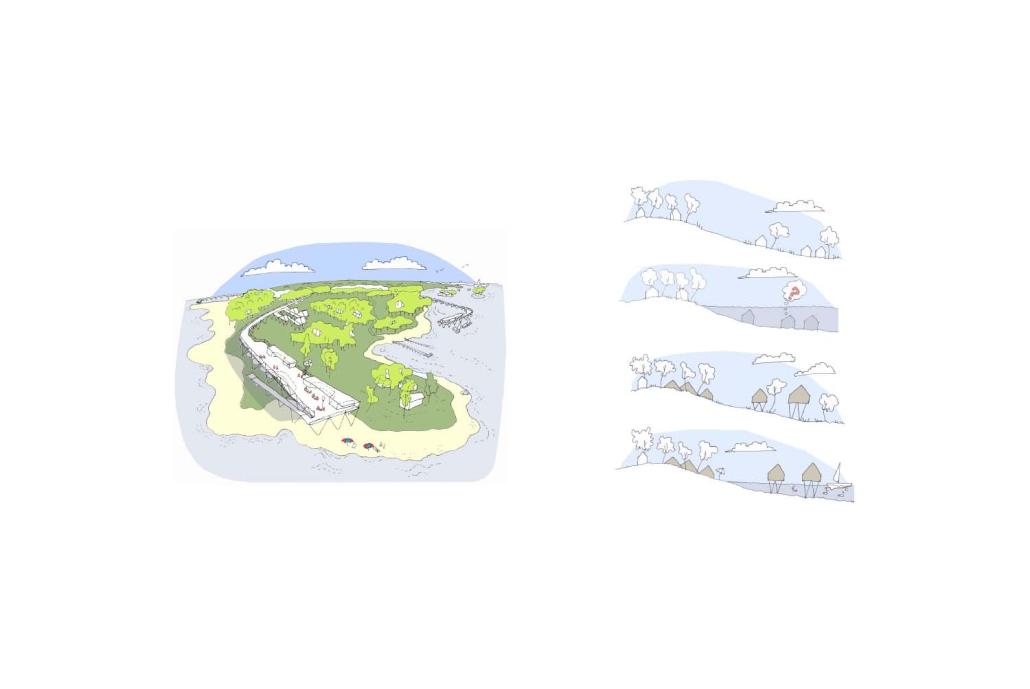
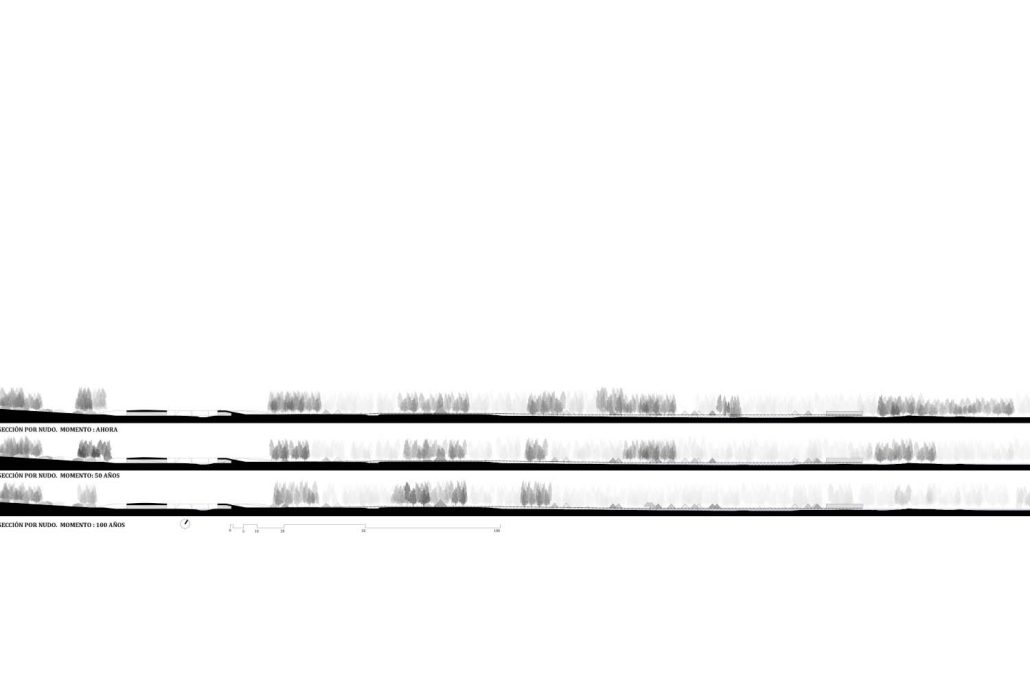
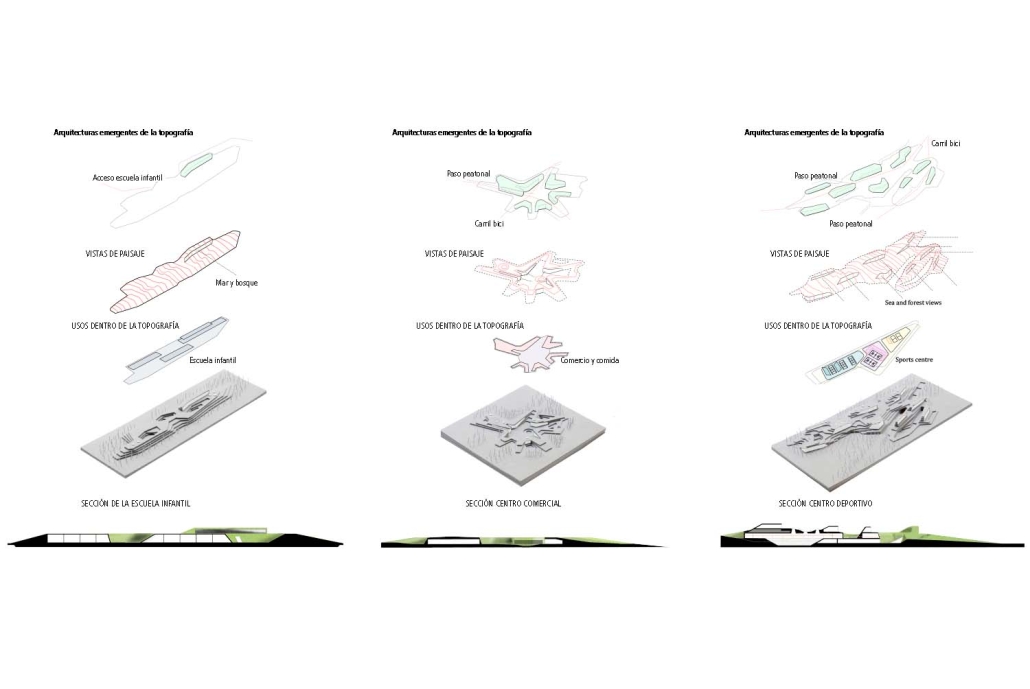
The intervention consists of a minimal-impact approach on the natural terrain, developed through an analysis of projected sea-level rise over the coming decades. The proposed infrastructures are designed to be occupied by water and to coexist flexibly with the shifting coastal edge. This sustainable design approach aims not only to protect the environment but to integrate with it, following a line of work aligned with interior architecture practices in Granada that prioritize environmentally respectful, context-aware solutions.
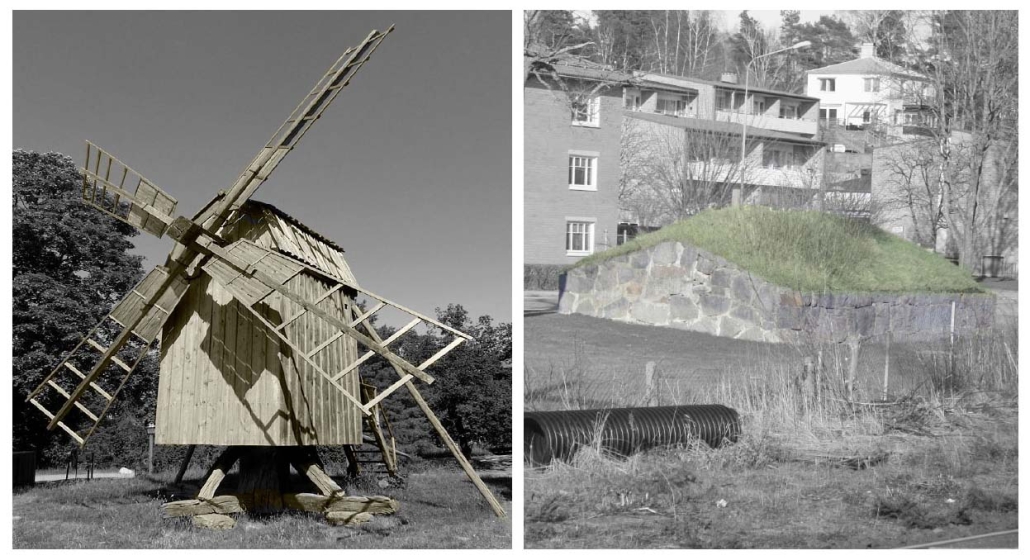
The proposed facilities take inspiration from the rural occupation patterns of Scandinavian culture, establishing a direct connection with the forms of the landscape and a vernacular architecture that is temporary and ephemeral in nature. In this way, the new infrastructures achieve harmony with the dispersed rural architecture where Scandinavians find comfort during the summer months. This coastal landscape project becomes an opportunity to redefine the relationship between architecture and nature, offering a fresh and necessary perspective from the professional practice of an architect in southern Europe.

